


Blogs

Blog Image

Peran Konsultan Manajemen Bagi Kemajuan Startup

Computer and information research scientists play an important role in helping companies develop and implement technology. If you're interested in a job working with computers, this career path may be an excellent option for you. Learning what a computer and information research scientist does may help you make a more informed decision.In this article, we discuss the role of computer and information research scientists, including what they do and the key skills to develop if you're interested in this career, plus we go over job outlook and salary information to help you decide.

What is a computer and information research scientist?

A computer and information research scientist is a professional who applies their extensive knowledge of computer science toward researching, creating and improving technology. Computer and information research scientists are experts in their field who drive innovation by studying complex computer problems and developing solutions for more efficient approaches.They can work in almost any industry or sector because of the importance of technological developments. Computer and information research scientists regularly collaborate with civil engineers, game designers, medical professionals and software developers.Related: 12 Great Technical Jobs for IT Professionals

Computer and information research scientist duties

Computer and information research scientists can choose a variety of career paths depending on their interests in computer science. This can result in a diverse range of potential professional tasks, including:

  • Designing programs
  • Researching technological solutions
  • Developing theories
  • Publishing books
  • Programming robots
  • Designing hardware
  • Studying equations

Regardless of the field in which a computer and information research scientist works, they commonly spend most of their time using their creativity to solve problems and explore the possible applications of computer systems.Related: 15 Computer Science Fields

How to become a computer and information research scientist

Employers in a range of industries may hire computer and information research scientists to remain competitive in their field and take advantage of technological advancements. You can become a computer and information research scientist by pursuing an advanced computer science education. If you're interested in becoming a computer and information research scientist, use these steps as a guide:

1. Earn a bachelor's degree

The first step is to enroll in an undergraduate degree program. Having a bachelor's degree in a field related to computer science is an important qualification for working as a computer and information research scientist.In addition to degree requirements, taking a variety of classes about technology, software, math and engineering may help you discover the areas of computer sciences that interest you. Common undergraduate majors for computer and information research scientists are computer science, software engineering, information systems and programming.Related: FAQ: Computer Science Degree vs. Computer Information Systems Degree

2. Get an internship

You can apply for an internship in the computer science field during your undergraduate education. Internships can provide learning opportunities and give you valuable experience to list on your resume and graduate school applications.If possible, look for a position where you can work closely with senior computer and information research scientists. This allows you to observe experienced professionals and learn how to succeed in this type of role. During your undergraduate internships, you can build your professional network and consider your interest in possible job paths.Read more: A Complete Guide to Internships

3. Earn a graduate degree

Consider enrolling in graduate school for an advanced degree. Many employers require computer and information research scientists to have a graduate degree for advanced positions.Earning a graduate degree may make you a more appealing candidate for promotions and help you find work in an entry-level role. You may also choose to seek entry-level work initially and pursue an advanced degree part time.Related: Ph.D. vs. Master's Degree: What's the Difference?

4. Study the job market

Assess the trends in the computer science job market during your education. Technology is constantly changing, so monitoring developments can be important for maintaining and improving your skills. Noting the skills that employers most commonly request and monitoring tech publications for expected changes in the future may help you be more prepared to achieve success in a computer and information research scientist position.Related: What Is the Job Market?

5. Choose a specialty

It's necessary to determine your preferred professional focus. Choosing a specialty allows you to develop a deeper understanding of a specific area and its related concepts. For example, you may choose to work in a particular field and focus on the skills and knowledge required for computer and information research scientist roles in that field. Some specialties are robotics, artificial intelligence, microprocessing, medical technology, cybersecurity and software development.Related: 15 Computer Science Jobs That Pay Well

Computer and information research scientist skills

Computer and information research scientists require a diverse and well-trained set of professional skills. Understanding the most important skills for this position can help you determine if your current skills fit the role well and identify any areas for improvement. Key skills for a computer and information research scientist include:

  • Problem-solving
  • Creativity
  • Coding skills
  • Analytical thinking
  • Project management
  • Technical writing
  • Teamwork

Related: Computer Skills: Definitions and Examples

Computer and information research scientist salary

Working as a computer and information research scientist can be a lucrative career opportunity. The average annual salary for a computer scientist is $109,106 per year. Some factors that can affect your salary in this role include your experience, company size, industry and location.For the most up-to-date salary information from Indeed, click on the link provided.

Computer and information research scientist job outlook

The United States Bureau of Labor Statistics projects employment for computer and information research scientists to grow by 21% from 2021 to 2031. This is much faster than the average expected growth across all industries. This represents a growing industry and a potentially secure career choice.

Prepare for interviews with practice questions and tips

Tips for computer and information research scientists

If you're interested in a career as a computer and information research scientist, keep these tips in mind:

  • Find a mentor. Learning from an experienced computer and information research scientist professional can be an excellent way to increase your skills and develop as a professional. For example, a mentor in a senior position may help you by answering your questions and providing you with opportunities to develop and showcase your skills to prepare for advancement into more senior roles.
  • Use online resources. The technological field is constantly adapting and advancing, so it's important to remain updated on recent developments. Online resources and communities can be an excellent way to keep your skills current and remain aware of any upcoming changes or opportunities you may use to improve your professional performance.
  • Consider professional certification. Earning one or more professional certifications may help set you apart from competitors when seeking opportunities as a computer and information research scientist. Certifications often include experience and education requirements, meaning you can show your advanced qualifications to a potential employer by noting you hold one or more certifications.

https://www.indeed.com/career-advice/finding-a-job/computer-information-scientist
Read More
Blog Image

Cara Membuat Artikel SEO-Friendly

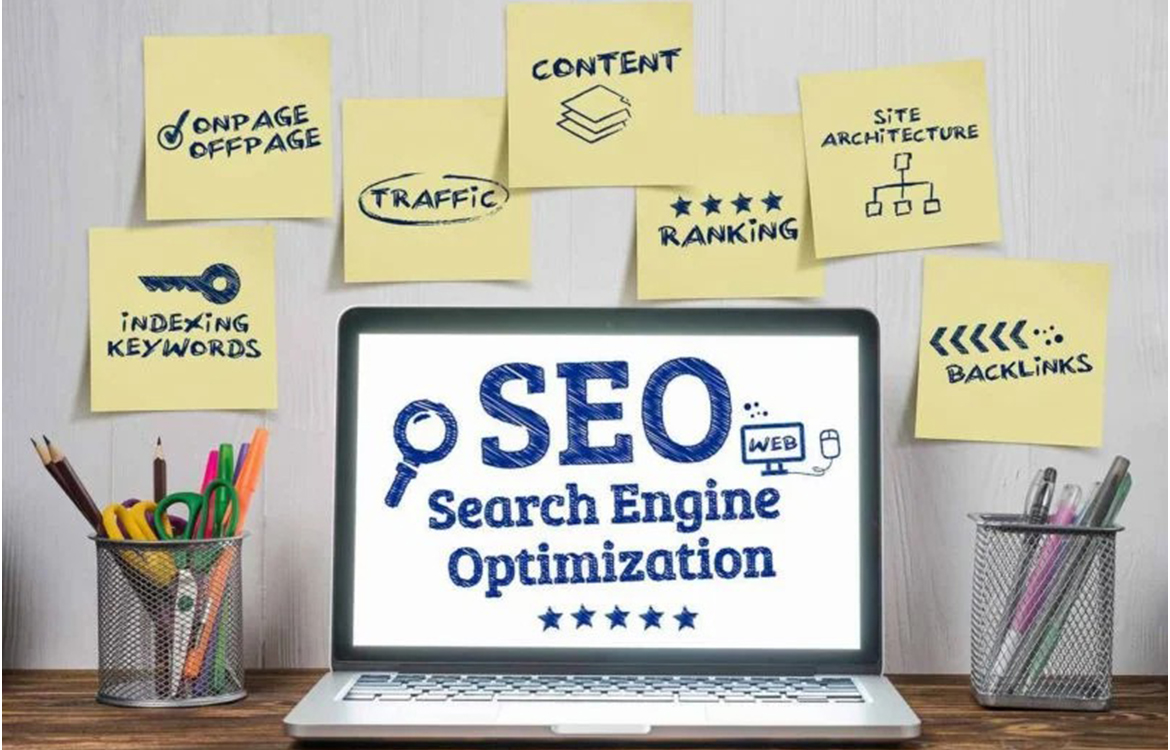
SEO stands for search engine optimization. SEO practitioners optimize websites, web pages and content for the purposes of ranking higher in search engines, like Google. SEO is a set of practices designed to improve the appearance, positioning, and usefulness of multiple types of content in the organic search results. This content can include web pages, video media, images, local business listings, and other assets. Because organic search is the top method via which people discover and access online content, utilizing SEO best practices is essential for ensuring that the digital content you publish can be found and chosen by the public, increasing your website’s organic traffic.

In order to understand how SEO works, it’s vital to have a basic understanding of how search engines work. Search engines use crawlers (also known as spiders or bots) to gather information across the internet to populate their big databases, called “indexes”. Crawlers begin from a known web page and then follow links from that page to other pages.

For example, if a page Google already indexed on Patagonia.com on the topic of used clothing features internal links to further pages on the site for used jackets, used hiking boots, and used flannel shirts, Google can crawl to those pages via the links provided. Meanwhile, if Patagonia’s main used clothing page links out to an article on TheGuardian.com about the negative impacts of fast fashion, Google can crawl from Patagonia to the news article via the link, thereby discovering that content and potentially indexing it.

The content of the discovered page, and the context of the links the crawler followed from Patagonia to The Guardian, help Google understand what the page is about and how it is relevant to all of the other pages within its index.

If you happen to be the journalist who wrote The Guardian article on fast fashion, the fact that a used outdoor clothing section of a large brand is linking to your piece is an indication to Google that there might be a relationship between the problems of fast fashion and the potential solution of buying used clothing instead of new clothing. These semantic relationships go far towards helping Google determine which results to show for each query they receive from the searching public.

Search engines’ success as businesses depends on the public finding search engine results to be relevant to their needs. The more links a search engine like Google finds pointing from a particular type of content to a particular resource, the more confident it becomes that the linked-to resource is relevant to certain search queries. The search engine then determines that this resource deserves to be ranked highly when people make those queries.

There are three main categories of SEO: on-page SEO, off-page SEO, and technical SEO, all of which combine to help search engines discover, crawl, index, understand, and rank your content, and this article will cover each of these topics.

Why is SEO important?

A significant reason that SEO matters is because it helps online publishers appear within the results displayed by search engines. Search engines like Google and Bing each have their own methods of surfacing and formatting the content they display when a user enters a query into a search box, like this:

In response to a query like this, a search engine like Google can return a wide variety of results, Let’s look at and label some of the different types of results here:

1. Traditional Organic Results

Google’s most familiar results are the traditional organic results, which consist of links to website pages ranked in a particular order based on Google’s algorithms. Search engine algorithms are a set of formulae the search engine uses to determine the relevance of possible results to a user’s query. In the past, Google commonly returned a page of 10 organic results for each query, but now this number can vary widely, and the number of results will differ depending on whether the searcher is using a desktop computer, mobile phone, or other device. Traditional organic results look like this, with each entry having a title, description, link to the source, and other features like dates and additional links:

2. SERP Features

Beyond the traditional organic results, search engines can surface a variety of other displays which can be categorized under the umbrella term “SERP features”. There are many kinds of SERP features including but not limited to:

  • Local pack results
  • Google Business Profiles
  • Knowledge panels
  • Sitelinks
  • Featured Snippets
  • Image packs and image carousels
  • Video packs
  • People Also Ask features
  • Related searches
  • Plus additional SERP features for news results, hotel and travel results, shopping, FAQs, job listings, and more.

Local pack results display a list of local businesses for some queries:

Google Business Profiles feature a single local business for some queries:

Knowledge panels feature information about organizations, people, and places for some queries:

Sitelinks are links to additional pages within a website, can also appear as part of that site’s organic listing if the individual pages are strong enough or the search engine believes the individual pages are especially relevant to the user’s query, like this example of an organic listing for a retailer including links to its pages for women’s wear, men’s wear, used clothing and more:

There are at least four main types of results called "featured snippets", including carousels, lists, paragraphs, and tables. Videos and rarer double featured snippets are related features. To display featured snippets Google pulls content from web pages to summarize right within the SERPs, linking to the sources of the information.

Image packs and image carousels that link to their sources:

Video packs that link to their sources:

“People also ask” features summarize and link to further information based on queries that relate to the user’s original query:

“Related searches” features link to further sets of SERPs and can prompt users to expand their query to access related information:

There are also additional SERP features for news results, hotel and travel results, shopping, FAQs, job listings, and more. SEO is important because it influences what search engines surface for all of these results and features.

What SEO doesn’t influence is any SERP component that has been paid for by an advertiser. Paid search engine results can include ads stemming from the Google Ads program, like this example with its “sponsored” label:

And local business lead generation ads stemming from Google’s Local Services Ads program which are returned for some queries:

Any time a result is labeled “sponsored”, you’ll know it is a paid ad placement and not influenced by your SEO efforts, but nearly all of the other types of results search engines display are highly impacted by your optimization strategy.

Finally, it’s important to know that both Google and Bing are currently in the early stages of offering Artificial Intelligence-based content to searchers, as explored by Tom Capper on the Moz Blog. The degree to which AI content can be impacted by SEO is, as yet, unknown. For example, it’s clear that SEO is having some impact on Google’s Search Generative Experience (SGE) experiments because the content found in traditional local packs is being used to some extent in SGE responses to local queries, like this:

What is less clear at this time is any precise strategy for seeking inclusion in offerings like Google’s Bard or New Bing chat. Over time, if these products become popular with the public, part of the work of an SEO will be studying AI results and identifying methods for building a presence within these novel formats and likely also competing against them for visibility in the evolving SERPs.

What are the main goals of SEO?

While every SEO campaign can have unique goals, most online publishers are united in wanting to achieve some or all of the five following results from their investment in optimization:

1. More visibility in the SERPs

The majority of Google users stay within the first page of Google’s results to find an answer to their query and 75% will click on either the first or second result on the page. Because of this behavior, one major goal of SEO is to rank more highly in the results for more searches. The more visible your content is, the better its chances of being found and chosen by the public.

At this stage in your learning it’s important for you to know that website owners shouldn’t pursue the myth of #1 search engine rankings, because entities like Google will show different results to different users based on the location of their devices and even minor differences in the language of their queries. A better goal than being #1 is to be highly visible to your focus audience for your most important searches across multiple SERP styles and features.

2. More traffic to your website and other assets

When searchers reach your site via clicking on the organic SERPs, this is known as “traffic”. Whether the click-thru-rate (CTR) to your website pages from the SERPs impacts organic rankings in Google is a matter of ongoing controversy and debate in the SEO industry. Bing confirms that they use both CTR and bounce rate (how quickly people leave your web page after landing on it) as ranking factors. But though the precise details of search engine algorithms remain secret, it stands to reason that a goal of SEO work is to bring more traffic from the SERPs to your online assets.

3. Better quality traffic to your website and other assets

While winning a slew of traffic from the SERPs may, at first, sound like a dream come true to any site owner, it will typically only impact basic business goals if this traffic converts into sales or other key actions. For example, an independently-owned doughnut shop in San Francisco might achieve first page rankings in Google for sourdough doughnuts. It might go viral on social media for a funny or unusual marketing campaign and make it into mainstream news. It might receive national or even international traffic from these rankings and efforts, but when its product is only actually available to be purchased by customers in its city, most of this traffic will not convert to sales and may be only nominally supportive of the viability of the company.

Because of this, a better goal than hoping for lots of traffic to your digital assets is to use SEO to strategize on how to win the most qualified traffic for what you offer, because this will typically have the highest conversion rate. High quality organic traffic depends on search engines determining that your content is highly relevant for the queries you discover are most likely to result in conversions, whether your conversions are defined as sales, filling out forms, phone calls, leads, or even just customers spending more time on your website. You can access further learning on measuring traffic quality in this blog post tutorial by Adriana Stern.

4. Greater intelligibility to the public

One of the best things you can do in learning about SEO is to understand it as a form of customer service. Google rewards content that is useful to the public. In fact, their 2022 Helpful Content algorithm update largely focused on how they reward sites that make a habit of publishing content that is of true use to searchers. For decades, Google has urged site owners to create content for people rather than for search engines.

SEO can help your site be more intelligible, discoverable, and usable to its potential visitors. Optimization influences both what your content looks like when shown within the SERPs and what your content looks and behaves like when searchers click through to your digital assets. Providing good service and a great user experience to the public is one of the most practical reasons to invest in SEO.

5. Greater intelligibility to search engines

In order for search engines to feature and reward your content so that you can earn the visibility, traffic, and conversions you need, your website and other assets need to be intelligible to the crawlers/spiders/bots that entities like Google and Bing use to crawl and index digital content. This is achieved by multiple SEO efforts that can be broken down into:

  • On-page SEO, which chiefly consists of how you optimize specific elements of a website page so that its contents are relevance are clear

  • Technical SEO, which chiefly consists of managing the technical backend of your website so that it can be effectively crawled, indexed, and understood by search engines.

  • Off-page SEO, which chiefly consists of how you earn links, citations, notice, and press from third parties, thereby building up the authority of your digital assets

Taken altogether, these three areas of SEO work to ensure that search engines can match your content to their perceived intent of searchers’ queries. The better search engines can understand your content, the better your chances of achieving high, broad, and highly-converting rankings. We’ll look into each of these three concepts more deeply next.

Which SEO factors influence search engines?

Optimizing your site generally involves three key focus areas: On-page, off-page and technical SEO.

On-page SEO is the practice of optimizing your website contents so search engines and humans can easily digest it. Technical SEO is any sufficient technical action undertaken with the intent of improving search results, usually through making your site function efficiently. Off-page SEO involves actions taken outside of your website to impact your rankings.

Together they combine to create a solid foundation to enable you to reach your target audience.

On-page SEO

Investing in SEO includes engaging in customer research, market research, and keyword research so that your content reflects the language real people use to search for whatever your website offers. The findings of your research can then be incorporated into your optimization of multiple elements of your website and its pages, including but not limited to:

  • Domain names

  • Page URLs

  • Page titles

  • Headers

  • Alt text

  • Images

  • Videos

  • Navigational

  • Meta description tags

  • Internal links

  • Sitemaps

  • The main body text of each page

For a complete tutorial on on-page SEO, read: The Beginner’s Guide to SEO.

Technical SEO

To ensure that your website can be properly indexed and crawled by search engines and properly used by people, technical SEO includes, but is not limited to, management of all of the following elements:

  • Analytics setup

  • Site crawling

  • Indexing status

  • Robots.txt status

  • Canonicalization

  • Internal link architecture design and management

  • Coding

  • Mobile-friendliness

  • Cross browser rendering

  • Page status codes

  • Image compression

  • Core Web Vitals status

  • Page load/speed optimization

  • Structured data

  • JavaScript frameworks/rendering/pre-rendering

  • Hreflang

  • De-indexing

  • Migrations

For a complete tutorial on technical SEO, read: The Professional’s Guide to SEO and you’ll also enjoy this popular Web Developer’s SEO Cheat Sheet.

Off-page SEO

To ensure that your digital assets achieve maximum visibility in the search engines, meet your goals for relevant traffic, and deliver the conversions you seek, off-page SEO can basically be defined as a practice for bringing attention to your content. Your options for pursuing this include, but aren’t limited to:

  • Earning links and citations from high quality third-party sites via the merit of your content

  • Managing link disavowal

  • Proactively building links and citations from high quality third-party sites via outreach to those publications

  • Engaging in a variety of forms of online promotion, including social media marketing, being featured as a guest on third-party blogs, podcasts, and vlogs

  • Traditional PR, including writing press releases and building relationships with influencers

  • For local businesses, creating local business profiles and building local unstructured citations

For a complete tutorial on off-page SEO, read: Off-Page SEO and if you are optimizing a local business website, read The Essential Local SEO Strategy Guide.

All of the above factors combine to influence how search engines understand and rank your website pages.

What are the top organic search ranking factors?

Over the past few decades, SEO professionals have made many ongoing efforts to identify as many of Google’s proprietary organic rankings factors as possible, and to attempt to organize them in the order by which they appear to influence rankings. The same has been done for search engines like Bing, and for some years, Moz conducted a major organic ranking factors survey as well as a local search ranking factors survey. A list of such factors could include, but not be limited to:

  • On-page factors

  • User behavior factors

  • Link factors

  • Core update factors

  • Local guidelines factors

  • Spam factors

E-E-A-T

There are also the elements known as Google’s E-E-A-T factors, which, while not considered traditional, direct ranking factors by many SEOs, are a set of principles which Google instructs its quality raters to evaluate in measuring search engine results quality. E-E-A-T factors can be defined as:

  • Experience - Is published content based on the first hand-experience of its author? For example, if someone writes a review of a restaurant, did they demonstrably visit the place and try the food. Or, if an influencer is recommending a brand of shampoo, did they actually use it on their own hair?

  • Expertise - Is published content created by someone who has become skilled in the subject they are covering? For your-money-or-your-life (YMYL) topics like medical information or financial advice, does the author have degrees, licenses, accreditations? For other categories of information, like do-it-yourself home repairs, has the author accrued practical, everyday expertise through demonstrable experience?

  • Authoritativeness - Do third parties recognize the expertise of a source? Do established authoritative sites and people link to and cite the content in question, as in the case of a well-known food critic linking to their choice of the best Thai restaurant in Seattle, recognizing its expertise in this field.?

  • Trustworthiness - Is content factual and accurate, are websites and transactions secure and built on the principles of good user experience (UX), is contact information accessible and true, are policies accessible and appropriate, and does public sentiment (like reviews) indicate that a business is above-board and legitimate? Google calls trustworthiness the most important of all the E–E-A-T factors.

The problem inherent in the task of trying to set in stone a list of factors which definitely have the most influence on organic rankings is that the SERPs have become so diverse and varied.

If your organization sells shoes, your SEO and marketing efforts will need to be different than those undertaken by a hotel, or an online gaming platform, or an architectural firm, or a software developer, because the SERPs will not only contain different components for each relevant query, but may also be somewhat or completely different for each searcher, based on their location. Meanwhile, what the public needs and how it behaves may be quite different, depending on the intent of their query.

As the myth of #1 search engine ranking faded into the past, the logic of realizing that one size simply doesn’t fit all in SEO ranking factors may have contributed to us seeing fewer surveys these days trying to assign impact to each individual factor.

Because of this maturation of the SEO industry that has arisen out of the tremendous diversification of the SERPs, a newer and better best practice has arisen: studying what the search engine is returning for your most important queries and then analyzing the top competitors for these terms.

Rather than looking for universal top ranking factors, research the types of media Google, Bing, or other entities are returning for your top keyword phrases. Do you see strong organic competitors? Featured snippets? Image packs? Video results? Local packs? How big of an inroad is AI making in your corner of Search at this point, and how will your organization respond to it?

Learn to conduct a good organic competitor audit, a good local competitor audit, and to track and understand the SERP features that Google is surfacing for your audience. Master the basics of on-page, off-page, and technical SEO and then look for ways not just to compete with the top results, but to differentiate your brand in the SERPs so that you stand out to real people as the best and most relevant resource for their queries.

Be wary of claims you may encounter of offers to make your company #1 in the organic SERPs, or sources that empirically state that they absolutely know what search engines’ top ranking factors are. Only the search engines have this information, and SEO is actually all about the ongoing study of this topic as search evolves across time. Your knowledge of SEO basics learned on sites like this and through the use of SEO tools, paired with your own experimentation in your particular market, will be your best teachers as to which factors and which strategies are meeting your goals for SERP visibility and maximum conversions.

https://moz.com/learn/seo/what-is-seo

Read More
Blog Image

Branding Sebagai Inti Dari Promosi Bisnis

Brand adalah segala sesuatu yang terkait dengan perusahaan, layanan atau produk, atribut, baik barang berwujud maupun tidak berwujud. Brandingyang berasal dari kata brand atau merek. Dalam penggunaannya, kata brand dan branding mempunyai makna yang berbeda yaitu jika brand berarti merek, maka pengertian branding adalah berbagai kegiatan komunikasi pemasaran yang dilakukan oleh perusahaan dengan tujuan untuk membangun citra dan atau membesarkan sebuah merek.

Menurut Kotler (2009:332), Brand adalah nama, istilah, tanda, symbol atau rancangan, atau kombinasi dari semuanya, yang dimaksudkan untuk mengidentifikasi barang atau jasa atau kelompok penjual dan untuk mendiferensiasikannya (membedakan) dari barang atau jasa pesaing.

Brand sebuah perusahaan ibaratnya reputasi bagi seseorang. Anda mungkin tertarik dengan seseorang yang belum Anda kenal, Anda harus memiliki hubungan yang lebih dalam sehingga Anda menyukai dari berbagai hal termasuk nilai dan karakteristik yang dimiliki.

Begitupun dengan sebuah perusahaan. Koneksi yang dalam antara perusahaan dan klien akan terjalin apabila semuanya terjalin dengan nilai-nilai diatas.


Read More
Blog Image

Dasar-Dasar Desain Untuk Media Kreatif

Jakarta - Desain grafis adalah cabang ilmu dari seni desain untuk menciptakan elemen rupa di suatu media. Ilmu desain grafis mencakup seni visual, tipografi, tata letak, dan desain interaksi.
Dikutip dari buku Dasar Desain Grafis karya Alia Nutrisiany Purnomo, S.T., desain grafis merupakan kombinasi kompleks antara kata-kata, gambar, ilustrasi, hingga angka-angka yang membutuhkan elemen tertentu sehingga menghasilkan sesuatu yang berguna dalam bidang gambar

Dalam sebuah desain, objek akan dibuat dan diproduksi untuk dikomunikasikan sebagai sebuah pesan.

Elemen-elemen tertentu yang membentuk suatu desain bisa berupa jenis tulisan dengan tebal-tipisnya, ukuran, warna, spasi, ruang, bidang dan lain-lain, melalui unsur titik dan garis.
Adapun bentuk desain dapat berupa poster, kemasan produk, banner, kalender, dan masih banyak lagi.

7 Prinsip Dasar Desain Grafis:


1. Kesatuan (Unity)
Prinsip pertama adalah kesatuan, yang memiliki arti sebegai salah satu prinsip dasar desain grafis yang sangat penting.
Apabila tidak adanya kesatuan dalam sebuah karya desain akan terlihat kacau dan tidak sedap dipandangnya. Prinsip dari kesatuan dalam komposisi adalah semua bagian bentuk harus saling memiliki keterkaitan.
Keterkaitan bisa diciptakan dari sebuah bentuk lainnya yang saling menghubungkan seluruh bentuk tersebut atau disebut dengan prinsip hubungan.
Kesatuan membantu membuat elemen-elemen pada sebuah objek saling berdekatan, sehingga mereka akan terlihat bersatu/milik bersama.

2. Keseimbangan (Balance)
Keseimbangan secara visual diartikan sebagai suatu kondisi yang sama, baik itu secara horizontal (kanan-kiri) maupun vertikal (atas-bawah.)
Unsur keseimbangan desain meliputi bentuk, tekstur, nilai, ukuran, dan warna. Keseimbangan dalam sebuah desain, dibuat agar orang yang dapat dengan nyaman melihatnya.
Keseimbangan terbagi menjadi dua macam, yakni keseimbangan simetris dan keseimbangan asimetris.
a. Keseimbangan simetris (formal balance) adalah susunan elemen yang meratakan sisi pusat atas ke bawah atau dari kiri ke kanan. Keseimbangan ini sifatnya sederhana dan formal.
b. Keseimbangan asimetris (informal balance) adalah pengaturan berbeda dengan berat yang sama dari komposisinya pada setiap sisi halaman. Keseimbangan asimetris biasanya banyak digunakan untuk desain kontemporer atau desain modern.

3. Proporsi (Proportion)
Desain juga harus memenuhi prinsip proporsi yakni perbandingan ukuran yang digunakan untuk membantu membandingkan panjang dan lebar, antara gambar dengan bidang gambarnya.
Untuk membuat desain yang proporsional, kalian bisa menggunakan kotak untuk membuat kerangka dengan margin, kolom, dan jarak sehingga membentuk suatu kekeserasian.

4. Irama (Rhythm)
Selanjutnya ada prinsip irama yang menjadi sebuah pola pengulangan terus menerus secara teratur, yang dibuat dari adanya unsur-unsur yang berbeda.
Irama dapat mengajak mata kita untuk mengikuti pergerakan objek. Dalam desain, prinsip irama sesungguhnya adalah hubungan pengulanya dari berbagai bentuk-bentuk indir rupa, yang menjadi kunci visual ritme.

5. Kontras
Tak kalah penting, terdapat hal untuk menghindari elemen desain dalam satu halaman yang terlihat sama atau serupa yang disebut dengan kontras.
Kontras diciptakan dari suatu hal yang berbeda, perbedaan tersebut bisa dilihat dari warna perbedaan ukuran sekarang bentuk dan lain sebagainya.
Terkadang, kontras menjadi visualisasi yang paling menarik perhatian orang dalam melihat sebuah halaman tersebut.

6. Harmoni
Selanjutnya ada prinsip harmoni atau keserasian yang memiliki fungsi sebagai faktor yang mengamankan agar suatu desain tidak terkesan terlalu raman.
Jika, kontras memberikan kesan kuat dan aktif sehingga menarik perhatian, harmoni justru akan menunjukan kesan pasif.

7. Penekanan (Emphasis)
Terakhir, desain perlu memiliki prinsip penekanan yang berarti suatu hal yang menjadi fokus atau yang mendapatkan perhatian pertama.
Pada bagian penekanan ini, tata letak merupakan kebutuhan yang penting untuk menarik pandangan orang.
Nah, itulah penjelasan mengenai prinsip-prinsip dasar desain grafis. Jangan lupa menerapkan prinsip-prinsip di atas, ketika ingin membuat sebuah desain ya, detikers!

Baca artikel detikedu, "7 Prinsip Dasar Desain Grafis Lengkap dengan Unsur-Unsurnya" selengkapnya https://www.detik.com/edu/detikpedia/d-5838921/7-prinsip-dasar-desain-grafis-lengkap-dengan-unsur-unsurnya.

Download Apps Detikcom Sekarang https://apps.detik.com/detik/

Read More
Blog Image

Lebih Mengenal Apa itu Visualisasi Data?

In our increasingly data-driven world, it’s more important than ever to have accessible ways to view and understand data. After all, the demand for data skills in employees is steadily increasing each year. Employees and business owners at every level need to have an understanding of data and of its impact.

That’s where data visualization comes in handy. With the goal of making data more accessible and understandable, data visualization in the form of dashboards is the go-to tool for many businesses to analyze and share information. 

What are the advantages and disadvantages of data visualization?

​​​​Something as simple as presenting data in graphic format may seem to have no downsides. But sometimes data can be misrepresented or misinterpreted when placed in the wrong style of data visualization. When choosing to create a data visualization, it’s best to keep both the advantages and disadvantages in mind. 

Advantages

Our eyes are drawn to colors and patterns. We can quickly identify red from blue, and squares from circles. Our culture is visual, including everything from art and advertisements to TV and movies. Data visualization is another form of visual art that grabs our interest and keeps our eyes on the message. When we see a chart, we quickly see trends and outliers. If we can see something, we internalize it quickly. It’s storytelling with a purpose. If you’ve ever stared at a massive spreadsheet of data and couldn’t see a trend, you know how much more effective a visualization can be.

Some other advantages of data visualization include:

  • Easily sharing information.
  • Interactively explore opportunities.
  • Visualize patterns and relationships.


Disadvantages

While there are many advantages, some of the disadvantages may seem less obvious. For example, when viewing a visualization with many different datapoints, it’s easy to make an inaccurate assumption. Or sometimes the visualization is just designed wrong so that it’s biased or confusing.

Some other disadvantages include:

  • Biased or inaccurate information.
  • Correlation doesn’t always mean causation.
  • Core messages can get lost in translation.

Why data visualization is important

The importance of data visualization is simple: it helps people see, interact with, and better understand data. Whether simple or complex, the right visualization can bring everyone on the same page, regardless of their level of expertise.

It’s hard to think of a professional industry that doesn’t benefit from making data more understandable. Every STEM field benefits from understanding data—and so do fields in government, finance, marketing, history, consumer goods, service industries, education, sports, and so on. 

While we’ll always wax poetically about data visualization (you’re on the Tableau website, after all) there are practical, real-life applications that are undeniable. And, since visualization is so prolific, it’s also one of the most useful professional skills to develop. The better you can convey your points visually, whether in a dashboard or a slide deck, the better you can leverage that information. The concept of the citizen data scientist is on the rise. Skill sets are changing to accommodate a data-driven world. It is increasingly valuable for professionals to be able to use data to make decisions and use visuals to tell stories of when data informs the who, what, when, where, and how. 

While traditional education typically draws a distinct line between creative storytelling and technical analysis, the modern professional world also values those who can cross between the two: data visualization sits right in the middle of analysis and visual storytelling.

Data visualization and big data

As the “age of Big Data” kicks into high gear, visualization is an increasingly key tool to make sense of the trillions of rows of data generated every day. Data visualization helps to tell stories by curating data into a form easier to understand, highlighting the trends and outliers. A good visualization tells a story, removing the noise from data and highlighting useful information. 

However, it’s not simply as easy as just dressing up a graph to make it look better or slapping on the “info” part of an infographic. Effective data visualization is a delicate balancing act between form and function. The plainest graph could be too boring to catch any notice or it make tell a powerful point; the most stunning visualization could utterly fail at conveying the right message or it could speak volumes. The data and the visuals need to work together, and there’s an art to combining great analysis with great storytelling.

Different types of visualizations

When you think of data visualization, your first thought probably immediately goes to simple bar graphs or pie charts. While these may be an integral part of visualizing data and a common baseline for many data graphics, the right visualization must be paired with the right set of information. Simple graphs are only the tip of the iceberg. There’s a whole selection of visualization methods to present data in effective and interesting ways. 

General Types of Visualizations:

  • Chart: Information presented in a tabular, graphical form with data displayed along two axes. Can be in the form of a graph, diagram, or map. Learn more.
  • Table: A set of figures displayed in rows and columns. Learn more.
  • Graph: A diagram of points, lines, segments, curves, or areas that represents certain variables in comparison to each other, usually along two axes at a right angle. 
  • Geospatial: A visualization that shows data in map form using different shapes and colors to show the relationship between pieces of data and specific locations. Learn more. 
  • Infographic: A combination of visuals and words that represent data. Usually uses charts or diagrams.
  • Dashboards: A collection of visualizations and data displayed in one place to help with analyzing and presenting data. Learn more.

More specific examples

  • Area Map: A form of geospatial visualization, area maps are used to show specific values set over a map of a country, state, county, or any other geographic location. Two common types of area maps are choropleths and isopleths. Learn more.
  • Bar Chart: Bar charts represent numerical values compared to each other. The length of the bar represents the value of each variable. Learn more. 
  • Box-and-whisker Plots: These show a selection of ranges (the box) across a set measure (the bar). Learn more. 
  • Bullet Graph: A bar marked against a background to show progress or performance against a goal, denoted by a line on the graph. Learn more.
  • Gantt Chart: Typically used in project management, Gantt charts are a bar chart depiction of timelines and tasks. Learn more. 
  • Heat Map: A type of geospatial visualization in map form which displays specific data values as different colors (this doesn’t need to be temperatures, but that is a common use). Learn more.
  • Highlight Table: A form of table that uses color to categorize similar data, allowing the viewer to read it more easily and intuitively. Learn more. 
  • Histogram: A type of bar chart that split a continuous measure into different bins to help analyze the distribution. Learn more. 
  • Pie Chart: A circular chart with triangular segments that shows data as a percentage of a whole. Learn more. 
  • Treemap: A type of chart that shows different, related values in the form of rectangles nested together. Learn more.

Visualization tools and software

There are dozens of tools for data visualization and data analysis. These range from simple to complex, from intuitive to obtuse. Not every tool is right for every person looking to learn visualization techniques, and not every tool can scale to industry or enterprise purposes. If you’d like to learn more about the options, feel free to read up here or dive into detailed third-party analysis like the Gartner Magic Quadrant. 

Also, remember that good data visualization theory and skills will transcend specific tools and products. When you’re learning this skill, focus on best practices and explore your own personal style when it comes to visualizations and dashboards. Data visualization isn’t going away any time soon, so it’s important to build a foundation of analysis and storytelling and exploration that you can carry with you regardless of the tools or software you end up using.

https://www.tableau.com/learn/articles/data-visualization

Read More
Blog Image

Apa Itu Pengembangan Perangkat Lunak?

A website is a collection of many web pages, and web pages are digital files that are written using HTML(HyperText Markup Language). To make your website available to every person in the world, it must be stored or hosted on a computer connected to the Internet round a clock. Such computers are known as a Web Server.

The website’s web pages are linked with hyperlinks and hypertext and share a common interface and design. The website might also contain some additional documents and files such as images, videos, or other digital assets.

With the Internet invading every sphere, we see websites for all kinds of causes and purposes. So, we can also say that a website can also be thought of as a digital environment capable of delivering information and solutions and promoting interaction between people, places, and things to support the goals of the organization it was created for.

Components of a Website: We know that a website is a collection of a webpages hosted on a web-server. These are the components for making a website.

  • Webhost: Hosting is the location where the website is physically located. Group of webpages (linked webpages) licensed to be called a website only when the webpage is hosted on the webserver. The webserver is a set of files transmitted to user computers when they specify the website’s address..
  • Address: Address of a website also known as the URL of a website. When a user wants to open a website then they need to put the address or URL of the website into the web browser, and the asked website is delivered by the webserver.
  • Homepage : Home page is a very common and important part of a webpage. It is the first webpage that appears when a visitor visits the website. The home page of a website is very important as it sets the look and feel of the website and directs viewers to the rest of the pages on the website.
  • Design : It is the final and overall look and feel of the website that has a result of proper use and integration elements like navigation menus, graphics, layout, navigation menus etc.
  • Content : Every web pages contained on the website together make up the content of the website. Good content on the webpages makes the website more effective and attractive.
  • The Navigation Structure: The navigation structure of a website is the order of the pages, the collection of what links to what. Usually, it is held together by at least one navigation menu.

How to access Websites?
When we type a certain URL in a browser search bar, the browser requests the page from the Web server and the Web server returns the required web page and its content to the browser. Now, it differs from how the server returns the information required in the case of static and dynamic websites.

Types of Website:

  • Static Website
  • Dynamic Website

Static Website: In Static Websites, Web pages are returned by the server which are prebuilt source code files built using simple languages such as HTML, CSS, or JavaScript. There is no processing of content on the server (according to the user) in Static Websites. Web pages are returned by the server with no change therefore, static Websites are fast. There is no interaction with databases. Also, they are less costly as the host does not need to support server-side processing with different languages.

Dynamic Website: In Dynamic Websites, Web pages are returned by the server which is processed during runtime means they are not prebuilt web pages, but they are built during runtime according to the user’s demand with the help of server-side scripting languages such as PHP, Node.js, ASP.NET and many more supported by the server. So, they are slower than static websites but updates and interaction with databases are possible. Dynamic Websites are used over Static Websites as updates can be done very easily as compared to static websites (Where altering in every page is required) but in Dynamic Websites, it is possible to do a common change once, and it will reflect in all the web pages.

There are different types of websites on the whole internet, we had chosen some most common categories to give you a brief idea –

  • Blogs: These types of websites are managed by an individual or a small group of persons, they can cover any topics — they can give you fashion tips, music tips, travel tips, fitness tips. Nowadays professional blogging has become an external popular way of earning money online.
  • E-commerce: These websites are well known as online shops. These websites allow us to make purchasing products and online payments for products and services. Stores can be handled as standalone websites.
  • Portfolio: These types of websites acts as an extension of a freelancer resume. It provides a convenient way for potential clients to view your work while also allowing you to expand on your skills or services.
  • Brochure: These types of websites are mainly used by small businesses, these types of websites act as a digital business card, and used to display contact information, and to advertise services, with just a few pages.
  • News and Magazines: These websites needs less explanation, the main purpose of these types of websites is to keep their readers up-to-date from current affairs whereas magazines focus on the entertainment.
  • Social Media: We all know about some famous social media websites like Facebook, Twitter, Reddit, and many more. These websites are usually created to let people share their thoughts, images, videos, and other useful components.
  • Educational: Educational websites are quite simple to understand as their name itself explains it. These websites are designed to display information via audio or videos or images.
  • Portal: These types of websites are used for internal purposes within the school, institute, or any business, These websites often contain a login process allowing students to access their credential information or allows employees to access their emails and alerts.

Want to be a Software Developer or a Working Professional looking to enhance your Software Development Skills? Then, master the concepts of Full-Stack Development. Learn everything from Front-End to Back-End Development with hands-on Projects and real-world examples. This course enables you to build scalable, efficient, dynamic web applications that stand out. Ready to become an expert in Full-Stack? Enroll Now and Start Creating the Future!

https://www.geeksforgeeks.org/what-is-a-website/

Read More